


RIFL ACT
Holding gun manufacturers
accountable for the cost of violence.
Gun violence costs Illinois $18–20 billion annually. The industry pays nothing. The RIFL Act changes that.
What's Covered
RIFL funds expand support already provided through the Reimagine Public Safety Act (RPSA), administered by the Illinois Department of Human Services, Office of Firearm Violence Prevention — which currently funds survivor services, community violence intervention, case management, and high-risk youth programs across 16 community areas in Illinois.
-
Medical and mental-health care,
rehabilitation, and prescriptions (up to 3 years, or longer for permanent disability) -
Funeral and burial expenses
-
Lost wages or tuition
-
Emergency relocation and childcare
-
Disability accommodations
-
Property damage and probate costs
Eligible claimants: the injured person, plus parents, spouses, dependents, siblings, grandparents, grandchildren, and next of kin.
Cost-Sharing With the Public
Today, taxpayers and survivors carry the full financial weight of firearm violence. RIFL shifts a fair share of that burden onto the manufacturers who profit from it — making them part of the solution instead of the problem.

Myths and Facts:
MYTH
RIFL bans guns.
FACT
It licenses manufacturers and funds the organizations across Illinois that are actively reducing gun violence. Legal ownership isn't restricted.
MYTH
It'll crush small shops.
FACT
Fees scale only by injury/death recoveries, not market scale. Safer companies pay less.
MYTH
RIFL makes firearms unaffordable.
FACT
In a model analyzing one manufacturer with the 2nd highest recovery rate, product prices increased no more than 16%. Further, only 55 manufacturers had products recovered in deaths in 2023 — out of 11,000 U.S. manufacturers. Most would not be impacted at all.
MYTH
There's no precedent.
FACT
Nuclear, oil, vaccine, and insurance industries fund similar risk pools. Workers' Comp is the closest analogy.
MYTH
It won't help victims.
FACT
The Fund supports organizations across Illinois that intervene on violence before it occurs, mediates conflicts, and supports survivors in the wake of trauma.
Is RIFL Constitutional?
Written with legal experts to comply with the Second Amendment and the Protection of Lawful Commerce in Arms Act (PLCAA).
No restriction on ownership or buyers
RIFL doesn't ban guns or limit who can purchase. It licenses manufacturers and requires financial contribution according to the public costs their products generate.
PLCAA-safe by design
PLCAA protects against lawsuits. RIFL uses state licensing and fees — a regulatory framework, not litigation.
No undue burden
Courts routinely uphold reasonable licensing and fees. Per-gun cost impacts range from $0–$88, and manufacturers are not required to pass those costs on to consumers.
State authority
Illinois already licenses high-risk industries to protect the public. Firearms should not be the exception.

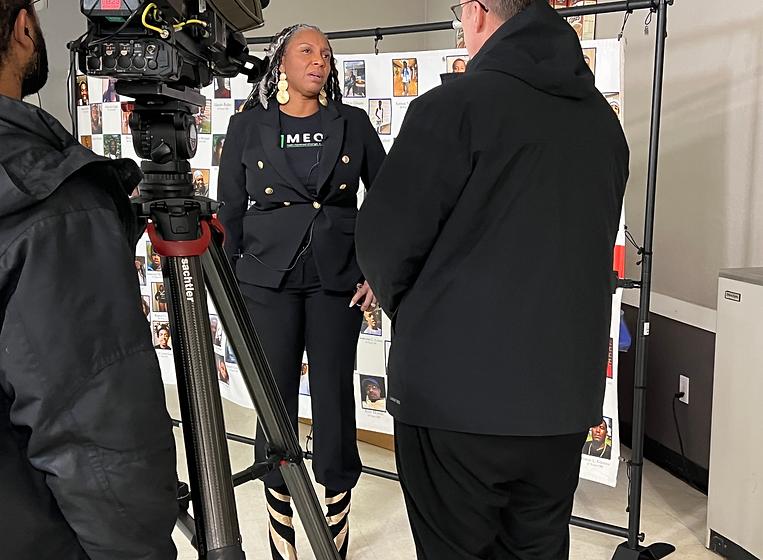
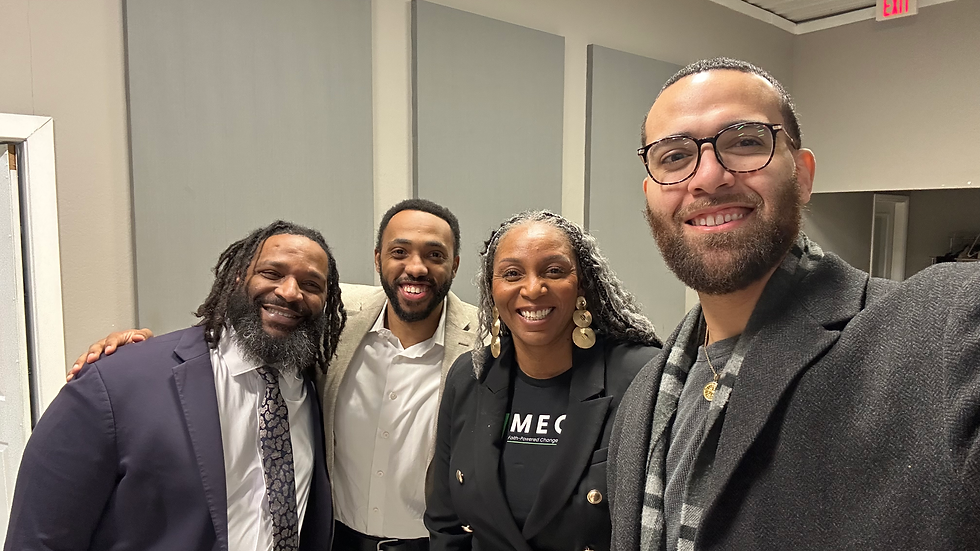
Advocates like Pastor Larita Rice-Barnes of the Metro East Organizing Coalition argue that gun violence costs Illinois taxpayers roughly $18 to $20 billion annually, and corporate manufacturers should share in this financial burden much like car manufacturers cover safety features.
Core Legislative Details (HB3320 / SB2279)
-
What it does: Mandates that firearm manufacturers obtain a state license and pay fees equivalent to the public costs of gun violence (medical bills, funerals, and victim services).
-
The RIFL Fund: Fees collected from manufacturers are deposited into a dedicated state fund to support survivors and proven community violence intervention (CVI) programs.
-
Implementation: If passed, manufacturers and retailers operating in Illinois without a license will face significant civil penalties starting January 1, 2028
The Metro East Organizing Coalition is actively working with the RIFL Coalition Illinois to push the legislation forward in the General Assembly. You can stay updated on grassroots efforts, partner organizations, and track legislative progress by visiting the RIFL Coalition Illinois website.
Contact MEOC i at 618-873-0373.